
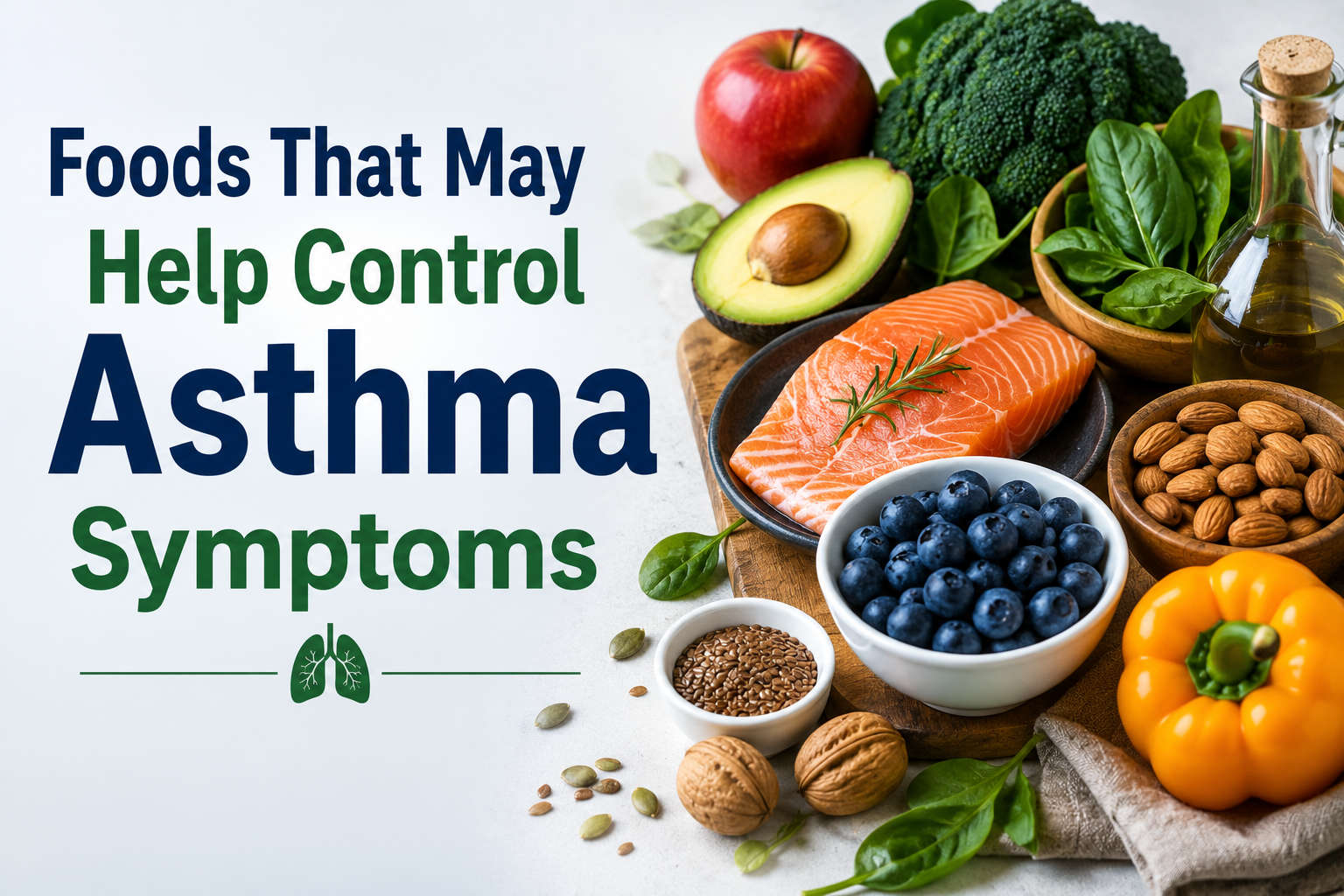
Living with asthma involves much more than taking medicines during an asthma attack. Daily lifestyle choices, especially healthy eating habits, can play an important role in supporting overall lung health and improving quality of life. While there is no single food that can cure asthma, a balanced diet rich in vitamins, minerals, antioxidants, and healthy fats may help reduce inflammation, strengthen the immune system, and support better breathing. If you experience frequent coughing, wheezing, or breathlessness, seeking expert Asthma Treatment in Bhopal along with following a healthy diet may help you manage your symptoms more effectively.
Many people believe that eating certain foods alone can cure asthma. However, this is a common myth. Diet should never replace prescribed inhalers, medications, or regular medical follow-ups. Instead, healthy food choices work alongside medical treatment to support better asthma control and reduce the risk of flare-ups. Every person’s asthma is different, so dietary recommendations should always be individualized based on your health needs and possible food allergies.
Dr. Khushboo Saxena, an experienced Pulmonologist in Bhopal and Sleep Medicine Specialist, provides personalized asthma care at her clinic in Shikhar Tower, Saket Nagar, Habib Ganj. Patients from MP Nagar, Arera Colony, Shahpura, Gulmohar Colony, Kolar Road, and Char Imli can conveniently access expert Asthma Treatment in Bhopal, including diagnosis, long-term management, lifestyle guidance, and patient education for healthier lungs.
Important Medical Note: No food can cure asthma or replace prescribed medicines. A nutritious diet supports lung health and overall wellness, but it should always be combined with medical treatment and regular follow-up with a qualified doctor.
Can Food Help Control Asthma Symptoms?
The food you eat has a direct impact on your overall health, including your lungs and immune system. Although no specific diet can eliminate asthma, healthy eating habits may help reduce inflammation inside the body, improve immune function, and support better breathing. People who maintain a balanced diet often experience better overall health, which may contribute to improved asthma management alongside appropriate medical care.
How Nutrition Supports Lung Health
Your lungs work continuously to supply oxygen to your body. To perform this function efficiently, they require nutrients that support healthy tissues and help protect against damage caused by pollution, infections, and inflammation.
Foods rich in vitamins, minerals, antioxidants, and healthy fats may help:
- Support healthy lung function.
- Reduce inflammation in the body.
- Strengthen the immune system.
- Help maintain a healthy body weight.
- Improve recovery from respiratory infections.
- Promote overall respiratory wellness.
However, even the healthiest diet cannot replace inhalers or prescribed medicines. Patients receiving Asthma Treatment in Bhopal should continue taking medications exactly as advised by their doctor.
The Connection Between Nutrition and Inflammation
Asthma causes inflammation inside the airways, making them swollen and sensitive to triggers such as dust, pollen, smoke, pollution, or viral infections. Some foods contain natural compounds called antioxidants and anti-inflammatory nutrients that help protect body tissues from damage.
These Anti-Inflammatory Foods may support overall health by reducing oxidative stress, a process that can contribute to inflammation. While they are not medicines, including these foods as part of a balanced diet may complement medical asthma management.
Why Diet Is Only One Part of Asthma Management
Many factors influence asthma control, including genetics, allergies, pollution, smoking, infections, stress, and correct use of medications. Therefore, nutrition is only one part of a complete asthma management plan.
Good asthma control usually includes:
- Regular use of prescribed inhalers.
- Identifying and avoiding asthma triggers.
- Maintaining a healthy diet.
- Staying physically active.
- Managing allergies.
- Attending regular medical follow-up visits.
- Learning the correct inhaler technique.
People seeking Asthma Treatment in Bhopal often achieve the best results when healthy lifestyle habits are combined with evidence-based medical care.
Common Myths About Asthma Diets
Many misconceptions exist regarding asthma and nutrition. Understanding the facts helps patients make healthier decisions.
Myth: Certain foods can cure asthma.
Fact: No food has been scientifically proven to cure asthma. Medicines remain the most effective way to control airway inflammation.
Myth: You should stop asthma medicines if you eat healthy foods.
Fact: A nutritious diet supports health but does not replace inhalers or prescribed treatment.
Myth: Everyone with asthma should avoid dairy products.
Fact: Most people with asthma can safely consume dairy unless they have a confirmed dairy allergy. Dairy does not worsen asthma in most individuals.
Myth: Herbal remedies are safer than asthma medicines.
Fact: Some herbal supplements may interact with medications or trigger allergies. Always consult your doctor before using herbal products.
Which Nutrients Are Important for Healthy Lungs?
A balanced diet provides nutrients that help maintain healthy lungs and support the immune system. Although these nutrients do not cure asthma, they may contribute to better respiratory health when combined with proper Asthma Treatment in Bhopal.
Vitamin C
Vitamin C is a powerful antioxidant found in oranges, lemons, guava, kiwi, strawberries, and amla. It helps protect body cells from damage caused by harmful molecules called free radicals. Vitamin C also supports the immune system and contributes to healthy lung tissue.
Vitamin D
Vitamin D plays an important role in immune function and bone health. Some studies suggest that low vitamin D levels may be associated with poorer asthma control in certain individuals. Safe sunlight exposure and foods such as fortified milk, eggs, and fatty fish can help maintain healthy vitamin D levels.
Vitamin E
Vitamin E helps protect cells from oxidative damage. Nuts, seeds, vegetable oils, and spinach are good sources of this nutrient. Including vitamin E-rich foods as part of a balanced Asthma Diet supports overall health.
Omega-3 Fatty Acids
Omega-3 fatty acids are healthy fats found in salmon, sardines, mackerel, walnuts, chia seeds, and flaxseeds. These nutrients have anti-inflammatory properties that may support lung health and are considered valuable Foods for Asthma as part of a nutritious eating pattern.
Magnesium
Magnesium supports normal muscle function, including the muscles involved in breathing. Green leafy vegetables, legumes, nuts, seeds, and whole grains are excellent dietary sources.
Potassium
Potassium helps maintain normal muscle and nerve function. Bananas, sweet potatoes, oranges, spinach, and beans provide healthy amounts of potassium that support overall body function.
Antioxidants
Antioxidants help protect the lungs against damage from pollution, cigarette smoke, and environmental toxins. Colorful fruits and vegetables such as berries, tomatoes, carrots, and leafy greens contain a wide variety of antioxidants.
Fiber
Fiber supports digestive health and promotes a healthy gut microbiome. Whole grains, fruits, vegetables, beans, and lentils are excellent sources of fiber. A healthy digestive system also contributes to better overall immunity.
Zinc
Zinc supports immune function and wound healing. Good dietary sources include beans, nuts, seeds, whole grains, dairy products, seafood, and lean meats.
Selenium
Selenium is another antioxidant mineral that supports immune health. Brazil nuts, seafood, eggs, and whole grains are among the richest dietary sources.
A varied diet containing these nutrients works together with Allergy and Asthma Care to support healthy lungs and overall well-being.
Top 10 Foods That May Help Control Asthma Symptoms
1. Fatty Fish Rich in Omega-3
Fatty fish such as salmon, sardines, trout, and mackerel are among the best natural sources of omega-3 fatty acids. These healthy fats have anti-inflammatory properties that may support overall lung health and help maintain normal immune function. Including fatty fish in your weekly meal plan is one of the simplest ways to add beneficial Anti-Inflammatory Foods to your diet.
Experts generally recommend eating two servings of fatty fish each week as part of a balanced eating plan. Grilled, baked, or steamed fish is healthier than deep-fried preparations because it contains less unhealthy fat.
People who do not eat fish may obtain omega-3 fats from walnuts, flaxseeds, and chia seeds, although these plant sources provide different forms of omega-3. Remember that fatty fish supports overall respiratory health but does not replace prescribed medicines or Asthma Treatment in Bhopal.
2. Citrus Fruits
Oranges, lemons, sweet limes, grapefruits, and other citrus fruits are excellent sources of vitamin C and antioxidants. These nutrients help protect cells from oxidative stress and support normal immune function. Citrus fruits also contain plenty of water, helping maintain good hydration.
Fresh citrus fruits are healthier than packaged fruit juices because they contain more fiber and less added sugar. Enjoy them as snacks, salads, or freshly cut fruit instead of sugary beverages.
Although citrus fruits are considered beneficial Foods for Asthma, a small number of people may have citrus allergies or acid reflux that worsens symptoms. If you notice discomfort after eating citrus fruits, discuss it with your doctor.
3. Apples
Apples provide fiber, antioxidants, and natural plant compounds called flavonoids that support overall health. Eating whole apples with the skin provides more fiber than drinking apple juice.
Apples make an easy, healthy snack for both children and adults. They can also be added to oatmeal, yogurt, salads, or smoothies for extra nutrition.
While apples alone cannot prevent asthma attacks, including them regularly as part of a balanced Asthma Diet contributes to overall respiratory wellness and supports long-term healthy eating habits.
4. Leafy Green Vegetables
Spinach, fenugreek leaves, mustard greens, kale, and other leafy green vegetables are packed with vitamins, minerals, fiber, magnesium, and antioxidants. These nutrients support immune health, reduce oxidative stress, and promote healthy body function.
Aim to include leafy vegetables several times each week by adding them to soups, dals, curries, salads, or smoothies. Washing vegetables thoroughly before cooking helps remove dust, pollen, and other contaminants. Combined with prescribed medicines and expert Asthma Treatment in Bhopal, a balanced diet rich in leafy green vegetables can become an important part of long-term asthma management.
5. Turmeric
Turmeric is a well-known spice used in many Indian households and has been valued in traditional cooking for centuries. It contains curcumin, a natural compound with antioxidant and anti-inflammatory properties. While turmeric cannot cure asthma, it may help support overall health by reducing inflammation in the body when included as part of a balanced diet. This makes it one of the commonly recommended Anti-Inflammatory Foods for people looking to improve their overall respiratory wellness.
You can add turmeric to curries, dals, soups, vegetables, or warm milk. Combining turmeric with a small amount of black pepper may improve the body’s ability to absorb curcumin. However, turmeric supplements should only be taken after consulting a healthcare professional because high doses may interact with certain medications or medical conditions.
It is important to remember that turmeric is not a substitute for inhalers or prescribed medicines. Patients receiving Asthma Treatment in Bhopal should continue following their treatment plan while enjoying turmeric as part of a healthy, balanced Asthma Diet.
6. Ginger
Ginger is another nutritious food that may support respiratory health because of its natural antioxidant and anti-inflammatory properties. Many people use fresh ginger in tea, soups, curries, or vegetable dishes. Although scientific research is still ongoing, ginger may help soothe the throat and support overall wellness when included in a balanced diet.
Fresh ginger can be grated into hot water to prepare ginger tea or added to everyday cooking for extra flavor and nutrition. Because it is naturally rich in beneficial plant compounds, it is considered one of the useful Foods for Asthma when combined with healthy lifestyle habits.
People taking blood-thinning medicines or those with certain digestive conditions should consult their doctor before consuming large amounts of ginger or ginger supplements. Most importantly, ginger supports general health but should never replace prescribed inhalers or professional Asthma Treatment in Bhopal. Maintaining regular follow-up with an Asthma Specialist in Bhopal remains essential for long-term asthma control.
7. Tomatoes
Tomatoes are rich in vitamin C, potassium, and an antioxidant called lycopene, which helps protect body cells from damage caused by free radicals. These nutrients contribute to overall health and may support healthy lung function when included in a balanced eating plan.
Fresh tomatoes can be enjoyed in salads, sandwiches, soups, curries, and homemade sauces. Cooking tomatoes slightly may even increase the availability of lycopene, making cooked tomato dishes another healthy option.
Some individuals with acid reflux may notice that tomato-based foods worsen heartburn, which can occasionally trigger coughing. If this happens, discuss your symptoms with your doctor instead of eliminating tomatoes unnecessarily.
Including tomatoes regularly as part of a nutritious Asthma Diet supports overall wellness and complements Allergy and Asthma Care, but they should never replace medical treatment or inhalers.
8. Nuts and Seeds
Nuts and seeds provide healthy fats, protein, vitamin E, magnesium, zinc, selenium, and other important nutrients that support immune function and overall health. Almonds, walnuts, flaxseeds, chia seeds, sunflower seeds, and pumpkin seeds are excellent choices for most people.
A small handful of unsalted nuts or seeds makes a healthy snack and can also be added to salads, yogurt, oatmeal, or smoothies. Their healthy fats and antioxidants make them valuable Anti-Inflammatory Foods that support long-term wellness.
However, individuals with confirmed nut allergies should completely avoid nuts because allergic reactions may trigger severe asthma symptoms. If you are unsure whether you have a food allergy, consult an Asthma Specialist in Bhopal before making major dietary changes.
9. Yogurt and Probiotic Foods
A healthy digestive system plays an important role in supporting the immune system. Yogurt and other probiotic foods contain beneficial bacteria that help maintain a balanced gut microbiome. While research continues, some studies suggest that healthy gut bacteria may contribute to improved immune function.
Plain yogurt without added sugar is generally a healthier choice than flavored varieties. You can enjoy yogurt as a snack, with fruits, or alongside meals. Other probiotic foods such as kefir and fermented foods may also support digestive health.
Some people believe dairy products always worsen asthma. However, scientific evidence does not support this belief for most individuals. Unless you have a confirmed dairy allergy or lactose intolerance, yogurt can usually be included safely in a healthy Asthma Diet. Remember that probiotics support overall health but are not a replacement for Asthma Treatment in Bhopal.
10. Whole Grains
Whole grains such as oats, brown rice, whole wheat, barley, quinoa, and millets provide fiber, vitamins, minerals, and slow-release carbohydrates that support steady energy levels throughout the day. Fiber also promotes a healthy digestive system, which contributes to overall immune health.
Replacing refined grains with whole grains is a simple way to improve nutrition. Choose whole wheat chapati instead of refined flour products, brown rice instead of white rice, and oatmeal instead of sugary breakfast cereals whenever possible.
Whole grains also help maintain a healthy body weight, which is important because obesity may worsen asthma symptoms in some people. When combined with regular exercise and medical care, these healthy Foods for Asthma contribute to better long-term respiratory health.
Which Foods May Trigger Asthma Symptoms?
While many foods support overall health, certain foods may trigger asthma symptoms or allergic reactions in some individuals. It is important to understand that food triggers vary from person to person. A food that causes problems for one individual may be completely safe for someone else.
Common foods that may worsen symptoms include:
Sulfite-Containing Foods
Sulfites are preservatives found in some dried fruits, packaged juices, processed potatoes, wine, and certain packaged foods. Sensitive individuals may experience wheezing or breathing difficulty after consuming foods containing sulfites.
Processed Foods
Highly processed foods often contain preservatives, unhealthy fats, and excessive sodium. Eating them frequently may contribute to poor overall health and increased inflammation.
Sugary Drinks
Soft drinks and beverages with added sugar provide little nutritional value and may contribute to weight gain, which can make asthma harder to control.
Fried Foods
Deep-fried foods contain unhealthy fats that may contribute to inflammation and obesity when eaten regularly. Limiting fried foods supports better overall health.
Fast Food
Frequent consumption of fast food has been associated with poorer dietary quality and increased risk of obesity, both of which may affect asthma control.
Artificial Preservatives
Some packaged foods contain artificial colors, preservatives, and flavor enhancers that may trigger allergic reactions in sensitive individuals.
Food Allergies
Milk, eggs, peanuts, tree nuts, soy, wheat, fish, and shellfish are common food allergens. People with confirmed food allergies should strictly avoid those foods because allergic reactions may worsen Asthma Symptoms.
Excess Salt
A diet very high in salt may contribute to poor overall cardiovascular health and fluid imbalance. Reducing processed foods naturally helps lower sodium intake.
If you notice that certain foods consistently worsen your breathing or allergies, consult a Pulmonologist in Bhopal instead of eliminating large food groups on your own.
What Lifestyle Habits Support Better Asthma Control?
Diet is only one part of asthma management. Healthy daily habits work together with prescribed medicines to reduce symptoms and improve lung function. Patients receiving Asthma Treatment in Bhopal are encouraged to adopt the following healthy lifestyle practices:
- Maintain a healthy weight to reduce pressure on the lungs.
- Exercise regularly according to your doctor’s advice.
- Sleep for 7–9 hours every night to support immunity and recovery.
- Drink enough water to keep your airways hydrated.
- Quit smoking and avoid secondhand smoke completely.
- Manage stress through relaxation techniques, yoga, or meditation.
- Avoid allergens such as dust, pollen, mold, and pet dander whenever possible.
- Use the correct inhaler technique to ensure medicines reach the lungs effectively.
- Stay up to date with vaccinations, including annual influenza vaccination.
- Schedule regular follow-up appointments with your doctor to monitor asthma control.
Healthy eating, regular exercise, and proper medical care together provide the strongest foundation for successful Allergy and Asthma Care.
When Should You Seek Asthma Treatment in Bhopal?
Although mild asthma symptoms may improve with regular medication, certain warning signs require prompt medical attention. You should seek Asthma Treatment in Bhopal if you experience:
- Frequent wheezing or whistling while breathing.
- Persistent coughing lasting several weeks.
- Night-time asthma symptoms that disturb sleep.
- Breathlessness during routine activities.
- Difficulty exercising because of breathing problems.
- Increased need for your rescue inhaler.
- Chest tightness that keeps returning.
- Emergency symptoms such as severe breathlessness or difficulty speaking.
Early consultation helps prevent severe asthma attacks and supports better long-term lung health.
Foods That May Help vs Foods That May Trigger Asthma Symptoms
| Foods That May Help | How They Support Lung Health | Foods That May Trigger Symptoms | Why They May Be a Problem |
|---|---|---|---|
| Fatty Fish | Rich in omega-3 fatty acids that support overall health | Sulfite-containing foods | May trigger asthma symptoms in sensitive individuals |
| Citrus Fruits | Excellent source of Vitamin C and antioxidants | Processed foods | Often contain preservatives, unhealthy fats, and excess sodium |
| Apples | Provide fiber and beneficial antioxidants | Sugary drinks | May contribute to weight gain and poor overall health |
| Leafy Green Vegetables | Rich in magnesium, vitamins, and antioxidants | Fried foods | High in unhealthy fats that may increase inflammation |
| Turmeric | Contains curcumin with antioxidant properties | Fast food | Usually high in salt, unhealthy fats, and calories |
| Ginger | Supports general wellness and may soothe the throat | Artificial preservatives | Can trigger reactions in some sensitive people |
| Tomatoes | Rich in lycopene and Vitamin C | Food allergens | Foods such as peanuts, shellfish, milk, or eggs may trigger allergic reactions in some individuals |
| Nuts & Seeds | Good source of healthy fats, zinc, and Vitamin E | Excess salt | May affect overall health and indirectly worsen asthma control |
| Yogurt & Probiotics | Support gut health and immunity | Alcohol (for some people) | Certain alcoholic drinks contain sulfites that may trigger symptoms |
| Whole Grains | High in fiber and support healthy weight | Individual trigger foods | Triggers differ from person to person |
Important: Foods that support lung health do not cure asthma. Likewise, foods that trigger symptoms vary from person to person. Always discuss suspected food allergies or dietary concerns with your doctor instead of avoiding major food groups on your own.
Frequently Asked Questions (FAQs)
1. Can diet replace Asthma Treatment in Bhopal?
No. A healthy diet supports overall health and may help reduce inflammation, but it cannot replace prescribed inhalers or medicines. Asthma Treatment in Bhopal should always include medical evaluation, appropriate medications, trigger management, and regular follow-up with a qualified pulmonologist.
2. Which foods are best for people with asthma?
Foods rich in vitamins, antioxidants, fiber, omega-3 fatty acids, and minerals may support overall lung health. Fatty fish, leafy vegetables, apples, citrus fruits, tomatoes, whole grains, yogurt, nuts, and seeds are healthy choices when included as part of a balanced diet.
3. Can turmeric help with asthma symptoms?
Turmeric contains curcumin, which has antioxidant and anti-inflammatory properties. While it may support general health, there is no evidence that turmeric alone treats or cures asthma. It should be used as part of a balanced diet alongside prescribed medical treatment.
4. Is Vitamin D important for asthma?
Vitamin D supports normal immune function and overall health. Some studies suggest that maintaining healthy vitamin D levels may benefit certain people with asthma. However, vitamin D supplements should only be taken after discussing them with your healthcare provider.
5. Which foods should asthma patients avoid?
Asthma patients should avoid foods that trigger their individual allergies or worsen symptoms. Sulfite-containing foods, highly processed foods, sugary drinks, fried foods, and excessive salt may not be suitable for everyone. Individual triggers vary and should be discussed with your doctor.