
Interstitial Lung Disease Treatment in Bhopal
Interstitial Lung Disease
- Home /
- Interstitial Lung Disease
Interstitial Lung Disease (ILD) is a group of lung conditions that cause inflammation and scarring of the lung tissues. Over time, this scarring makes the lungs stiff and reduces their ability to carry oxygen into the bloodstream. As a result, everyday activities such as walking, climbing stairs, or even talking may become difficult. While some forms of ILD develop slowly, others can worsen quickly if left untreated. Therefore, early diagnosis and timely medical care are very important.
Common symptoms include a persistent dry cough, breathlessness during daily activities, tiredness, chest discomfort, and reduced exercise capacity. Many people ignore these early signs because they often resemble common respiratory problems. However, delaying treatment may lead to permanent lung damage.
If you or your loved one has ongoing breathing problems, seeking Interstitial Lung Disease Treatment in Bhopal from an experienced specialist can make a significant difference. Dr. Khushboo Saxena, an experienced Pulmonologist in Bhopal, provides comprehensive evaluation, accurate diagnosis, and evidence-based treatment for various lung diseases. At Apollo SAGE Hospital, Bhopal, she combines advanced diagnostic technology with personalized care to help patients manage ILD, improve lung function, and enjoy a better quality of life.
What Is Interstitial Lung Disease (ILD)?
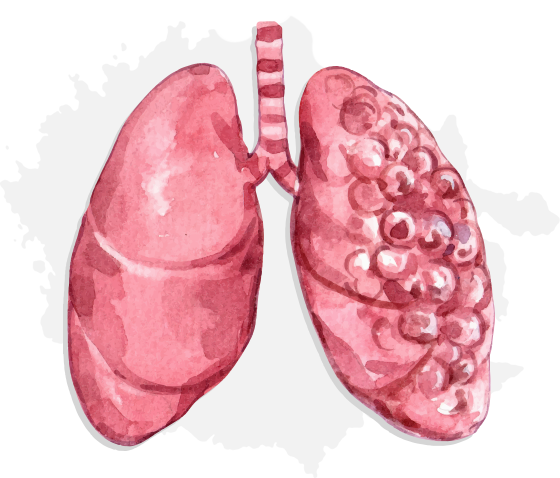
Interstitial Lung Disease, commonly called ILD, refers to a large group of lung disorders that affect the interstitium, the thin tissue surrounding the tiny air sacs (alveoli) inside the lungs. This tissue supports the lungs and helps oxygen move into the blood. When inflammation or scarring develops in this area, the lungs gradually become less flexible. As a result, breathing becomes difficult because the lungs cannot expand normally. Many people searching for Interstitial Lung Disease Treatment in Bhopal are surprised to learn that ILD is not a single disease. Instead, it includes more than 200 different lung conditions.
How Does ILD Affect the Lungs?
Healthy lungs are soft and elastic. They expand easily while breathing.
However, ILD causes:
- Inflammation inside the lungs
- Thickening of lung tissue
- Permanent lung scarring (fibrosis)
- Reduced oxygen transfer
- Difficulty taking deep breaths
As the disease progresses, patients may experience increasing breathlessness even during simple daily activities. An experienced ILD Specialist in Bhopal can identify the type of ILD early and begin treatment before severe lung damage develops.
Common Types of Interstitial Lung Disease
Several different conditions fall under ILD, including:
- Idiopathic Pulmonary Fibrosis (IPF)
- Hypersensitivity Pneumonitis
- Sarcoidosis
- Connective Tissue Disease-associated ILD
- Occupational Lung Disease
- Drug-induced ILD
- Radiation-induced ILD
Each type has different causes and treatment approaches. Therefore, an accurate diagnosis from an experienced Interstitial Lung Disease Doctor in Bhopal is essential.
How Does ILD Progress?
Disease progression varies from person to person. Some patients remain stable for years with proper treatment. Others may experience gradual worsening over time. Certain forms of ILD progress rapidly and require immediate medical attention. Early diagnosis, regular monitoring, and personalized treatment can help slow disease progression and improve long-term lung health.a
Who Is at Higher Risk of Developing Interstitial Lung Disease?
Although ILD can affect people of any age, certain individuals have a higher risk of developing the condition.
Smokers
Current and former smokers are more likely to develop chronic lung inflammation and fibrosis.
Older Adults
The risk increases with age, especially after 50 years.
Industrial Workers
People exposed to dust, silica, asbestos, coal, metal particles, or chemical fumes have a greater chance of developing ILD.
Patients with Autoimmune Disorders
Current and former smokers are more likely to develop chronic lung inflammation and fibrosis.
Family History
Some rare forms of ILD may run in families due to inherited genetic factors.
Environmental Exposure
Continuous exposure to polluted air, mold, birds, or toxic chemicals can also increase the risk of ILD.
If you belong to any of these high-risk groups and notice persistent cough or breathlessness, consulting an Interstitial Lung Disease Doctor in Bhopal at an early stage can help detect the disease before significant lung damage occurs. Early diagnosis, regular monitoring, and personalized treatment from an experienced pulmonologist can improve symptom control and support better long-term lung health.
When Should You Visit Dr. Khushboo Saxena for Interstitial Lung Disease Treatment in Bhopal?
If you have a persistent dry cough, increasing breathlessness, chest discomfort, unexplained fatigue, or low oxygen levels, it is important to seek Interstitial Lung Disease Treatment in Bhopal without delay. Early diagnosis can help slow disease progression and protect your lung function. Dr. Khushboo Saxena, an experienced Pulmonologist in Bhopal and ILD Specialist in Bhopal, provides comprehensive evaluation and personalized treatment at Apollo SAGE Hospital. If your symptoms worsen suddenly or interfere with daily activities, consult an Interstitial Lung Disease Doctor in Bhopal immediately for expert care.
How Is Interstitial Lung Disease Diagnosed?
Diagnosing ILD requires a detailed evaluation because many lung diseases share similar symptoms. A combination of clinical assessment, imaging, and specialized tests helps determine the exact type and severity of the disease. Dr. Khushboo Saxena follows an evidence-based approach to diagnose ILD accurately at Apollo SAGE Hospital, Bhopal.
Medical History
The first step involves understanding your complete medical history, including:
- Current symptoms
- Duration of illness
- Smoking history
- Occupational exposure
- Family history
- Autoimmune diseases
- Previous medications
- Environmental exposures
This information provides valuable clues about the possible cause of ILD.
Physical Examination
During the examination, your doctor may:
- Listen to your lungs using a stethoscope
- Check your breathing pattern
- Measure oxygen levels
- Look for finger clubbing
- Assess signs of lung fibrosis
Fine crackling sounds heard during breathing are common in many ILD patients.
High-Resolution CT (HRCT) Scan
An HRCT scan is one of the most important investigations for ILD.
It provides detailed images of the lungs and helps identify:
- Lung scarring
- Fibrosis
- Inflammation
- Honeycombing
- Disease distribution
This scan often helps doctors diagnose the specific type of ILD without surgery.
Pulmonary Function Test (PFT)
Pulmonary Function Tests measure how well your lungs work.
These tests evaluate:
- Lung capacity
- Airflow
- Oxygen exchange
- Disease severity
PFTs are also useful for monitoring treatment progress.
Blood Tests
Blood investigations help identify autoimmune diseases and other medical conditions associated with ILD.
Common tests include:
- Autoimmune markers
- Infection screening
- Inflammatory markers
- Routine blood tests
Oxygen Saturation Test
A pulse oximeter measures the oxygen level in your blood. Some patients also undergo a six-minute walk test to assess oxygen levels during physical activity. Accurate diagnosis allows an Interstitial Lung Disease Doctor in Bhopal to develop a personalized treatment plan based on your specific condition.
How Can You Prevent Interstitial Lung Disease?
Not every type of ILD can be prevented. However, several healthy habits may lower your risk and protect your lungs.
Practical Prevention Tips
- Avoid smoking and secondhand smoke.
- Wear protective equipment if you work with dust or chemicals.
- Reduce exposure to air pollution whenever possible.
- Treat respiratory infections promptly.
- Stay physically active.
- Maintain a healthy weight.
- Follow safety measures at workplaces.
- Keep vaccinations up to date.
- Manage autoimmune diseases with regular medical care.
- Schedule regular lung check-ups if you are at high risk.
People with a family history of ILD or occupational exposure should consult a Pulmonologist in Bhopal for routine screening.
Why Early Interstitial Lung Disease Treatment in Bhopal Improves Long-Term Lung Health
Interstitial Lung Disease is a serious condition, but early diagnosis and proper treatment can make a meaningful difference. The sooner ILD is identified, the better the chances of slowing disease progression, preserving lung function, and maintaining an active lifestyle.
Many people ignore a persistent cough or mild breathlessness until symptoms become severe. Unfortunately, by that time, permanent lung scarring may already have occurred. Seeking Interstitial Lung Disease Treatment in Bhopal at the earliest signs allows doctors to identify the underlying cause, begin appropriate therapy, and closely monitor your condition over time.
Dr. Khushboo Saxena, an experienced Interstitial Lung Disease Doctor in Bhopal, is dedicated to providing comprehensive and evidence-based care for patients with ILD. At Apollo SAGE Hospital, Bhopal, she offers advanced diagnostic services, personalized treatment plans, pulmonary rehabilitation guidance, and long-term follow-up to help patients breathe easier and live healthier lives.
If you or someone you love has persistent breathlessness, a long-lasting dry cough, or unexplained fatigue, do not delay seeking expert care. Early treatment can protect your lungs, reduce complications, and improve your quality of life.
FAQ's
Frequently Asked Questions
Interstitial Lung Disease (ILD) is a group of lung disorders that cause inflammation and scarring of the lung tissue. This scarring makes it harder for oxygen to pass into the bloodstream. Early diagnosis and Interstitial Lung Disease Treatment in Bhopal can help slow disease progression and improve daily life.
Some types of ILD can be managed effectively, while others cannot be completely cured. Treatment focuses on slowing lung damage, reducing symptoms, and improving quality of life. An experienced ILD Treatment Specialist can recommend the most appropriate treatment based on your condition.
Certain forms of ILD can become serious if left untreated because lung scarring may worsen over time. However, timely Interstitial Lung Disease Treatment in Bhopal combined with regular follow-up can reduce complications, improve breathing, and help patients maintain a better quality of life.
A Pulmonologist in Bhopal specializes in diagnosing and treating lung diseases, including ILD. Dr. Khushboo Saxena has extensive experience in evaluating respiratory disorders and provides personalized treatment plans using advanced diagnostic techniques at Apollo SAGE Hospital.
Diagnosis usually involves a detailed medical history, physical examination, HRCT scan, Pulmonary Function Tests (PFT), blood tests, oxygen level assessment, and sometimes bronchoscopy or lung biopsy. These investigations help an Interstitial Lung Disease Doctor in Bhopal identify the exact type and severity of ILD.
No. Oxygen therapy is recommended only when blood oxygen levels become low. Some patients need oxygen during exercise, while others may require it throughout the day. Your Best Pulmonologist in Bhopal will determine whether oxygen therapy is necessary after evaluating your condition.
Yes. Healthy habits such as quitting smoking, eating a balanced diet, staying physically active, practicing breathing exercises, avoiding pollutants, and attending regular follow-ups can support medical treatment. These changes work alongside Interstitial Lung Disease Treatment in Bhopal to improve long-term lung health.
A healthy diet rich in fruits, vegetables, whole grains, lean proteins, nuts, and healthy fats supports overall health and immunity. Drinking enough water and limiting processed foods can also help. Your Lung Disease Doctor in Bhopal may provide personalized dietary advice based on your health.
Not all types of ILD are preventable. However, avoiding smoking, reducing exposure to harmful dust and chemicals, managing autoimmune diseases, receiving recommended vaccinations, and seeking early medical evaluation can lower your risk. Regular check-ups with an ILD Specialist in Bhopal are beneficial for high-risk individuals.
If you have a dry cough lasting more than eight weeks, increasing breathlessness, chest discomfort, unexplained fatigue, or low oxygen levels, consult a pulmonologist promptly. Early evaluation by Dr. Khushboo Saxena, a trusted Pulmonologist in Bhopal, can help identify the cause and start appropriate treatment before complications develop.