
Tuberculosis (TB) is a bacterial infection caused by Mycobacterium tuberculosis. It most commonly affects the lungs, but in some cases, it can also affect other parts of the body. Although TB is preventable and curable, delaying diagnosis or stopping treatment early can lead to serious complications and increase the risk of spreading the infection to others. If you have a persistent cough, fever, night sweats, unexplained weight loss, chest discomfort, weakness, or blood in your sputum, it is important to seek medical evaluation without delay. Timely Tuberculosis Treatment in Bhopal can help control the infection, reduce the risk of complications, and support a safe recovery.
Dr. Khushboo Saxena, an experienced Pulmonologist & Sleep Medicine Specialist, provides comprehensive evaluation and treatment for patients with tuberculosis. Her approach focuses on accurate diagnosis, appropriate investigations, evidence-based treatment, regular monitoring, and patient education. Whether you are looking for a TB specialist close to your home or need evaluation for persistent respiratory symptoms, professional medical guidance can make the treatment journey safer and more manageable. Patients living in areas such as Saket Nagar, Habib Ganj, Rani Kamlapati, Arera Colony, and surrounding parts of Bhopal can seek timely medical evaluation when they notice symptoms that may indicate tuberculosis.
Why Is Early Tuberculosis Treatment Important?
Tuberculosis can develop slowly, and its early symptoms may look like an ordinary cough, seasonal infection, or general weakness. This is one of the main reasons people sometimes delay visiting a doctor. Untreated active TB can continue damaging the lungs and may also spread to other organs. More importantly, a person with active pulmonary TB may transmit the infection to people living or working nearby.
Early diagnosis and appropriate Tuberculosis Treatment in Bhopal can help:
- Control the growth of TB bacteria
- Reduce the risk of spreading infection
- Prevent serious lung damage
- Lower the risk of complications
- Identify drug-resistant TB when present
- Support a smoother recovery
- Protect family members and close contacts
- Reduce the chances of treatment failure or relapse
If you have a cough that continues for more than two weeks, unexplained weight loss, night sweats, recurrent fever, or blood in sputum, do not simply wait for the symptoms to disappear. A pulmonologist can determine whether TB or another respiratory condition is responsible.
What Is Tuberculosis and How Does It Affect the Body?
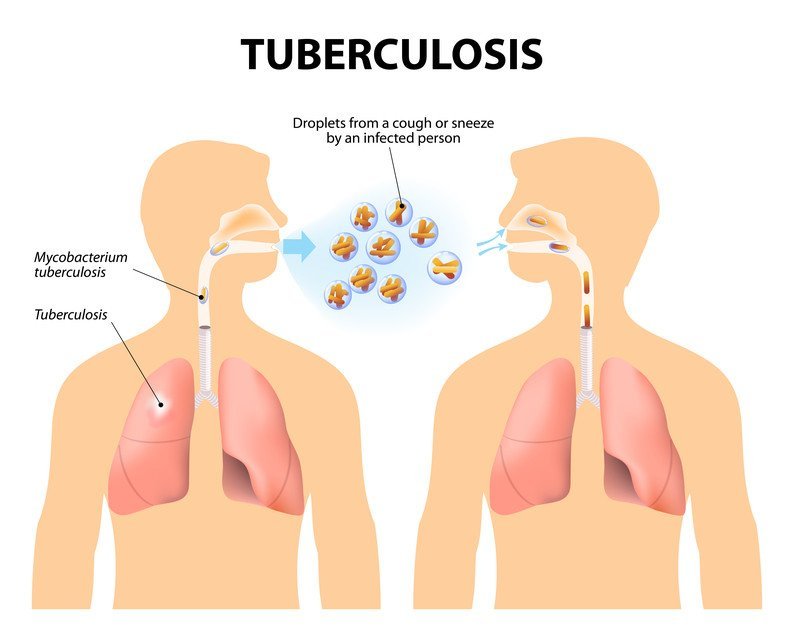
Tuberculosis is an infectious disease caused by Mycobacterium tuberculosis. The bacteria usually enter the body when a person inhales infected airborne particles. Once inside the body, the immune system may control the bacteria. In this situation, the infection can remain inactive, which is known as latent tuberculosis. In other individuals, particularly those with weakened immunity or certain medical risk factors, the bacteria can become active and cause disease.
Pulmonary TB primarily affects the lungs. It may cause inflammation, tissue damage, cavities, and scarring. If the infection is not identified and treated appropriately, it can sometimes spread beyond the lungs and affect organs such as the lymph nodes, bones, spine, kidneys, brain, or abdomen. This is why timely evaluation by a qualified TB specialist is important when symptoms persist.
Common Types of Tuberculosis Treatment in Bhopal
Tuberculosis can occur in different forms. Identifying the type of TB is important because treatment and monitoring may vary depending on the location and characteristics of the infection.
1. Pulmonary Tuberculosis
Pulmonary tuberculosis affects the lungs and is the most common form of active TB. Typical symptoms include:
- Persistent cough
- Fever
- Night sweats
- Weight loss
- Loss of appetite
- Fatigue
- Chest discomfort
- Blood in sputum
- Breathing difficulty in advanced cases
Active pulmonary TB can spread through the air, particularly in poorly ventilated environments.
2. Latent Tuberculosis Infection
In latent TB, the bacteria remain inactive inside the body. The person generally does not have symptoms and cannot transmit TB through normal daily contact. However, latent infection can become active later in certain situations. Doctors may recommend testing and preventive treatment for selected individuals based on their medical history and risk factors.
3. Extrapulmonary Tuberculosis
Extrapulmonary TB develops outside the lungs. It may affect the lymph nodes, bones, spine, kidneys, brain, abdomen, or other organs. Because symptoms depend on the affected organ, diagnosis can sometimes be more challenging. Additional investigations may be required to confirm the condition.
4. Drug-Resistant Tuberculosis
Drug-resistant TB occurs when TB bacteria do not respond adequately to one or more commonly used anti-TB medicines. Drug resistance requires careful testing and specialist management. Completing treatment exactly as prescribed is one of the most important steps in reducing the risk of drug resistance.
What Are the Symptoms of Tuberculosis?
TB symptoms can develop gradually. Some people may initially notice only mild tiredness or a persistent cough.
Common symptoms include:
- Cough lasting more than two weeks
- Fever
- Night sweats
- Unexplained weight loss
- Loss of appetite
- Weakness and tiredness
- Chest pain
- Blood in sputum
- Difficulty breathing
- Repeated respiratory infections
These symptoms can also occur with other lung conditions, so they do not automatically mean that a person has tuberculosis. A medical evaluation and appropriate diagnostic testing are needed to determine the actual cause.
Who Is More Likely to Develop Tuberculosis?
Anyone can develop TB after exposure, but some people have a higher risk of developing active disease.
Risk factors may include:
- Close contact with someone who has active TB
- Living in crowded conditions
- Poor ventilation
- Malnutrition
- Smoking
- Excessive alcohol consumption
- Diabetes
- HIV infection
- Certain immune-suppressing medicines
- A weakened immune system
- Previous history of TB
People who have been exposed to someone with active TB should discuss appropriate testing with a healthcare professional.
Tuberculosis Treatment in Saket Nagar
People living in and around Saket Nagar who experience a persistent cough, unexplained fever, night sweats, weight loss, or other concerning symptoms should consider timely medical evaluation. Tuberculosis Treatment in Saket Nagar may involve diagnostic testing first to determine whether TB is present and whether the infection is drug-sensitive or drug-resistant.
Treatment is selected according to the patient’s diagnosis, medical history, age, general health, and other relevant factors. Regular follow-up is important because TB medicines need to be taken consistently for the recommended duration. Patients should never stop anti-TB medicines on their own simply because they begin to feel better. Completing the prescribed treatment is essential for achieving successful recovery and reducing the risk of drug resistance or recurrence.
Tuberculosis Treatment in Habib Ganj
For people searching for Tuberculosis Treatment in Habib Ganj, the first step should be proper diagnosis rather than self-medication. A persistent cough can have several causes, including tuberculosis, pneumonia, asthma, allergies, chronic respiratory infections, or other lung conditions. A pulmonologist can evaluate your symptoms and recommend appropriate investigations.
If TB is confirmed, treatment generally involves a combination of anti-tuberculosis medicines prescribed according to the patient’s individual condition. Regular follow-up helps monitor improvement, medication tolerance, and any potential complications. Patients from Habib Ganj and nearby areas should seek medical advice promptly if they develop symptoms that continue or worsen rather than relying on over-the-counter medicines.
Tuberculosis Treatment Near Rani Kamlapati
People looking for Tuberculosis Treatment near Rani Kamlapati can seek professional evaluation when symptoms suggest a possible TB infection. Early consultation is particularly important when a cough continues for more than two weeks or is accompanied by fever, night sweats, weight loss, weakness, or blood in sputum.
The diagnostic process may include sputum testing, molecular testing such as CBNAAT, chest X-ray, and additional investigations when required. Once the diagnosis is established, an individualized treatment plan can be created. Patients should follow the prescribed schedule carefully and attend follow-up appointments so that the response to treatment can be monitored.
Tuberculosis Treatment in Arera Colony
Residents searching for Tuberculosis Treatment in Arera Colony should not ignore persistent respiratory symptoms. TB may initially resemble a common respiratory infection. However, symptoms that continue for several weeks or occur together with weight loss, night sweats, fever, or blood in sputum require proper medical assessment.
During consultation, the doctor may review your symptoms, previous medical history, exposure to TB, lifestyle factors, and other health conditions. Appropriate diagnostic tests are then selected based on the clinical findings. Timely treatment can help control the infection and reduce the risk of complications and transmission to others.
Tuberculosis Treatment Near AIIMS Bhopal
People searching for Tuberculosis Treatment near AIIMS Bhopal may be concerned about persistent respiratory symptoms or previous exposure to TB. If TB is suspected, diagnostic testing can help determine whether the infection is active and whether additional testing is required to identify possible drug resistance.
The treatment approach depends on the type of TB, the patient’s overall health, previous treatment history, and test results. Patients should take medicines exactly as prescribed and maintain regular medical follow-up. If you have symptoms or have been exposed to someone with active TB, professional evaluation is more useful than waiting for the condition to resolve on its own.
How Is Tuberculosis Diagnosed?
Tuberculosis symptoms often appear slowly, which is why many patients delay seeking medical attention. Recognizing the warning signs early allows treatment to begin before the infection causes extensive lung damage.
- You should consult a Best Pulmonologist in Bhopal if you experience:
- A cough lasting more than two weeks
- Blood in sputum
- Persistent fever, especially during evenings
- Night sweats
- Unexplained weight loss
- Loss of appetite
- Ongoing tiredness or weakness
- Chest pain while breathing or coughing
- Difficulty breathing during daily activities
- Recurrent respiratory infections
Although these symptoms do not always indicate tuberculosis, they should never be ignored. A thorough evaluation by a TB Specialist in Bhopal helps identify the exact cause and ensures appropriate treatment begins as early as possible. Prompt Tuberculosis (TB) Treatment in Bhopal greatly improves recovery, reduces the spread of infection, protects lung function, and lowers the risk of serious complications. If you notice persistent respiratory symptoms or belong to a high-risk group, scheduling an appointment with Dr. Khushboo Saxena, an experienced Pulmonologist for Tuberculosis in Bhopal, is the first step toward safer, healthier breathing.
How Does a TB Specialist in Bhopal Diagnose Tuberculosis Accurately?
Breathlessness can develop for many different reasons, and finding the exact cause is the most important step before starting treatment. Since breathing difficulty may be linked to the lungs, heart, allergies, infections, or even sleep disorders, every patient requires a detailed medical evaluation. At the beginning of your consultation, Dr. Khushboo Saxena carefully listens to your symptoms, understands your medical history, and asks about your lifestyle, smoking habits, work environment, and any previous respiratory illnesses. This detailed discussion often provides valuable clues about the underlying condition.
After understanding your symptoms, a thorough physical examination is performed. Your breathing pattern, oxygen levels, heart rate, chest sounds, and overall lung function are carefully assessed. Depending on the findings, further investigations may be advised to confirm the diagnosis.
As a Best Pulmonologist in Bhopal, Dr. Khushboo Saxena believes that every patient deserves an accurate diagnosis rather than temporary symptom relief. Identifying the exact cause allows her to create a personalized treatment plan that addresses the problem at its source. This patient-focused approach makes Breathlessness Treatment in Bhopal more effective and helps reduce the risk of future breathing problems.
How Is Tuberculosis Treatment in Bhopal Planned for Each Patient?
Tuberculosis treatment is never the same for everyone. Every patient’s age, medical history, type of tuberculosis, severity of infection, and overall health are carefully considered before creating a personalized treatment plan. Once the diagnosis is confirmed, Dr. Khushboo Saxena explains the disease, treatment duration, expected recovery, possible side effects, and the importance of completing every prescribed dose. Patient education is an important part of successful treatment because stopping medicines early is one of the leading causes of drug-resistant tuberculosis.
As a trusted Pulmonologist for Tuberculosis in Bhopal, she monitors each patient regularly through follow-up visits, repeat investigations, and symptom assessment. Treatment adjustments are made whenever necessary to ensure the best possible outcome. This personalized approach helps patients recover safely while reducing the chances of relapse and long-term lung damage.
Which Tests Are Recommended Before Starting Tuberculosis Treatment in Bhopal?
Modern diagnostic techniques make it possible to confirm tuberculosis quickly and accurately. Depending on your symptoms and clinical findings, Dr. Khushboo Saxena may recommend one or more investigations to establish the diagnosis and plan the most appropriate treatment.
Sputum Examination
A sputum sample is examined under a microscope and cultured to detect Mycobacterium tuberculosis. This remains one of the most reliable methods for diagnosing pulmonary tuberculosis.
CBNAAT (GeneXpert Test)
This advanced molecular test rapidly detects tuberculosis bacteria while also identifying resistance to Rifampicin, one of the key anti-TB medicines. It provides results much faster than traditional culture tests and helps start the right treatment early.
Chest X-ray
A chest X-ray helps identify lung abnormalities commonly seen in tuberculosis, including cavities, infiltrates, nodules, or scarring. It also allows a Chest Physician in Bhopal to assess the extent of lung involvement.
CT Scan of the Chest
If the chest X-ray does not provide enough information, a CT scan offers a more detailed view of the lungs and surrounding structures. This is especially useful for detecting early disease or complications.
Tuberculin Skin Test
This test helps identify previous exposure to TB bacteria. While it cannot confirm active disease on its own, it is useful in selected patients, particularly those with latent tuberculosis.
Blood Tests
Routine blood investigations evaluate overall health, liver function, kidney function, and nutritional status before starting medications. These tests also help monitor treatment safety throughout the recovery process.
What Can Happen If Tuberculosis Is Left Untreated?
Ignoring tuberculosis can lead to serious health complications that may permanently damage the lungs and other organs. The infection continues to spread inside the body while increasing the risk of transmission to others.
Untreated tuberculosis may cause:
- Permanent lung scarring
- Chronic breathing difficulty
- Recurrent coughing with blood
- Pleural effusion (fluid around the lungs)
- Respiratory failure
- Spread of infection to the brain, kidneys, spine, or bones
- Severe weight loss and malnutrition
- Life-threatening complications in advanced cases
Early Lung Infection Treatment in Bhopal greatly reduces these risks. Prompt diagnosis, appropriate medications, and regular follow-up help preserve lung function and improve long-term health outcomes.
How Can You Support Recovery During Tuberculosis Treatment?
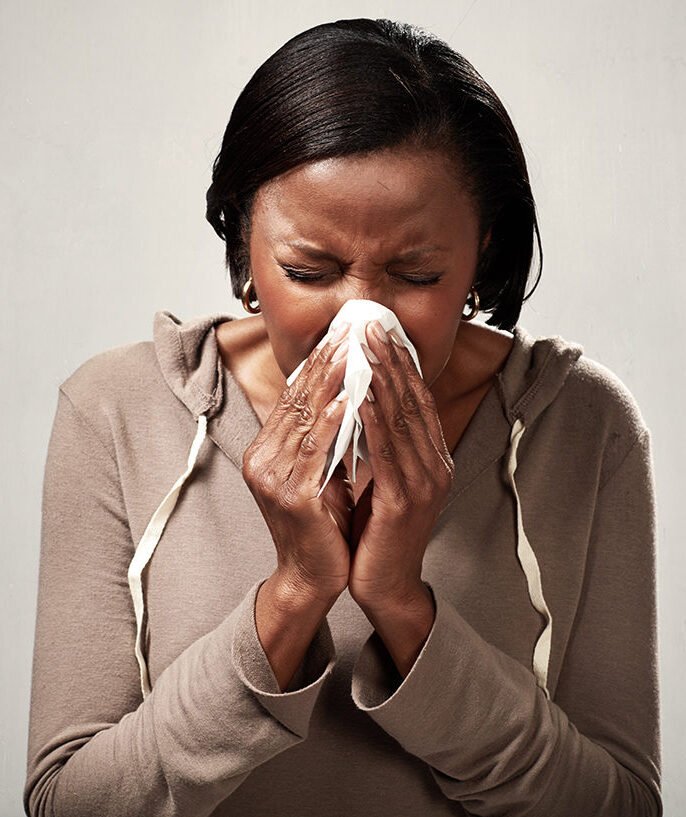
Medicines are the foundation of treatment, but healthy lifestyle habits play an equally important role in recovery. Patients who follow medical advice carefully often recover faster and regain their strength more effectively. A balanced diet rich in proteins, vitamins, fruits, vegetables, whole grains, eggs, pulses, dairy products, and healthy fats supports the immune system during treatment. Adequate hydration, proper sleep, and regular rest also help the body fight infection.
Smoking and alcohol should be completely avoided because they slow healing and increase the risk of complications. Patients should also maintain good personal hygiene, cover their mouth while coughing, and ensure proper ventilation at home. Regular follow-up visits with a Chest Physician in Bhopal are essential throughout treatment. These appointments allow doctors to monitor progress, identify side effects early, and confirm that the infection is responding well to medications.
By combining expert medical care with healthy daily habits, patients can achieve a successful recovery and significantly reduce the chances of recurrence. Under the guidance of Dr. Khushboo Saxena, recognized by many patients as one of the Best Pulmonologists in Bhopal, individuals receive compassionate, evidence-based care that supports complete recovery and long-term lung health.
FAQ's
Frequently Asked Questions
Yes, tuberculosis is generally curable when it is diagnosed correctly and treated with the appropriate medicines for the recommended duration. The treatment approach depends on whether the TB is drug-sensitive or drug-resistant and whether it affects the lungs or another part of the body. Patients should take every prescribed medicine according to their doctor's instructions and should not stop treatment simply because their symptoms have improved. Completing treatment is important for reducing the risk of treatment failure, recurrence, and drug resistance. If you are looking for Tuberculosis Treatment in Bhopal, a consultation with a qualified pulmonologist can help determine the appropriate diagnostic and treatment plan for your condition.
The duration of TB treatment depends on the type of tuberculosis, drug-sensitivity results, the organs involved, previous treatment history, and the patient's overall health. Many cases of drug-sensitive pulmonary TB are treated with a standard multi-drug regimen over several months, while some complicated or drug-resistant cases may require longer treatment. Patients should not compare their treatment duration with another person's treatment because TB management is individualized. Regular follow-up helps doctors determine whether the infection is responding appropriately. If you are undergoing Tuberculosis Treatment in Saket Nagar, regular medical follow-up is particularly important for monitoring treatment response and medication-related concerns.
Yes. Active pulmonary TB can spread through the air when an infected person coughs, sneezes, speaks, or produces respiratory droplets and particles.
However, TB does not normally spread through casual contact such as shaking hands, sharing food, or touching ordinary household surfaces.
If active pulmonary TB is diagnosed, your doctor may provide specific infection-control advice depending on your condition. Good ventilation, cough hygiene, appropriate masking when advised, and timely treatment can help reduce transmission.
People who have had close exposure to a person with active TB may also need medical evaluation or testing.
Not always. Many patients with tuberculosis can be managed outside the hospital with appropriate medicines and regular medical follow-up.
Hospital care may be required when the patient has severe disease, serious complications, significant breathing difficulty, extensive infection, certain forms of extrapulmonary TB, or drug-resistant TB requiring specialized management.
The appropriate treatment setting depends on the patient's medical condition. A doctor will assess the severity of the infection and determine whether outpatient care is appropriate.
Patients seeking Tuberculosis Treatment near Rani Kamlapati should first undergo proper medical evaluation rather than assuming hospitalization will be necessary.
A nutritious and balanced diet can support the body during recovery from tuberculosis. Patients should generally aim for adequate protein and calories while including vegetables, fruits, whole grains, pulses, dairy products, nuts, seeds, and other nutrient-rich foods as appropriate.
People who have experienced significant weight loss or poor appetite may require additional nutritional guidance. Patients with diabetes, kidney disease, liver disease, or other medical conditions may also need dietary modifications.
Food alone cannot cure tuberculosis. It should be considered supportive to the medical treatment prescribed by the doctor.
If you are receiving Tuberculosis Treatment in Habib Ganj, discuss your diet with your doctor, especially if you have poor appetite, significant weight loss, or other health conditions.
You should seek medical evaluation if you have a cough lasting more than two weeks, unexplained weight loss, persistent fever, night sweats, blood in sputum, chest pain, prolonged weakness, or other symptoms that do not improve. You should also speak with a doctor if you have had close contact with someone diagnosed with active TB. Early evaluation does not necessarily mean that tuberculosis will be diagnosed. These symptoms can occur in many other respiratory conditions. Proper testing helps identify the actual cause. People searching for Tuberculosis Treatment in Arera Colony should not wait for symptoms to become severe before seeking professional advice.
TB can recur in some people, although successful treatment significantly reduces the risk. Recurrence may occur because of incomplete treatment, treatment failure, drug resistance, or a new infection after exposure.
This is why completing the entire prescribed treatment is extremely important. Patients should attend recommended follow-up appointments and report the return of symptoms such as persistent cough, fever, night sweats, weight loss, or blood in sputum.
If symptoms return after completing treatment, do not restart old medicines without medical advice. A doctor should evaluate the cause and recommend appropriate testing.
Yes. Many anti-tuberculosis medicines can be safely used during pregnancy under medical supervision. A qualified Chest Physician in Bhopal carefully selects appropriate medications while monitoring both mother and baby, ensuring effective Tuberculosis Treatment in Bhopal with minimal risk.
Several investigations may be used depending on the patient's symptoms and suspected type of TB. For pulmonary TB, doctors may recommend sputum examination, molecular tests such as CBNAAT/GeneXpert, chest X-ray, or additional investigations such as CT scans when required. A tuberculin skin test or other tests may be useful in selected situations, particularly when assessing TB infection or exposure. However, no single test is suitable for every patient. The doctor selects investigations according to the clinical situation, previous TB history, symptoms, and risk factors. Patients looking for Tuberculosis Treatment near AIIMS Bhopal should understand that accurate diagnosis is the first step before selecting an appropriate treatment plan.
Dr. Khushboo Saxena is a Pulmonologist & Sleep Medicine Specialist who provides respiratory care with a focus on careful evaluation, appropriate diagnostic testing, individualized treatment planning, and follow-up.
TB can vary significantly from one patient to another. The treatment required for uncomplicated drug-sensitive pulmonary TB may be very different from the management needed for drug-resistant or extrapulmonary TB. Therefore, proper diagnosis and specialist supervision are important.
Patients receive guidance regarding diagnostic investigations, medicines, adherence, potential side effects, infection-control precautions, nutrition, and follow-up.
If you are searching for Tuberculosis Treatment in Bhopal, particularly from areas such as Saket Nagar, Habib Ganj, Rani Kamlapati, Arera Colony, or near AIIMS Bhopal, timely consultation can help you understand your condition and begin appropriate care.