
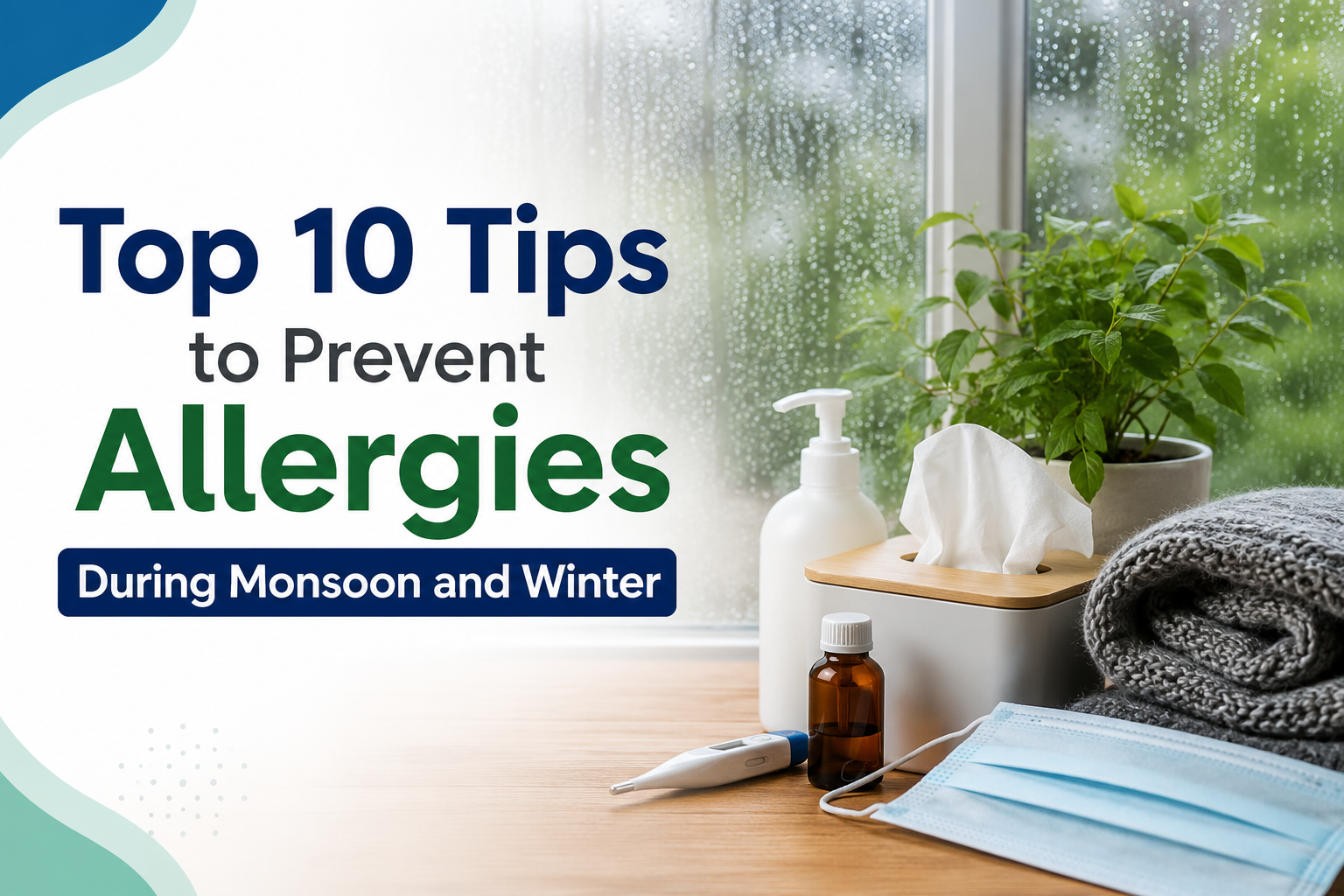
 Monsoon and winter bring pleasant weather, but they also increase the risk of allergies for many people. During these seasons, higher humidity, dust mites, mold growth, pollen, and air pollution can trigger allergic reactions that affect the nose, lungs, skin, and eyes. People who already have asthma, allergic rhinitis, or other respiratory conditions often notice that their symptoms become worse during this time. Seeking timely Allergy Treatment in Bhopal can help control symptoms early, prevent complications, and improve your overall quality of life.
Many people ignore frequent sneezing, a blocked nose, itchy eyes, or a persistent cough, assuming they are caused by a common cold. However, these symptoms may actually be signs of an allergy. Without proper care, allergies can interfere with sleep, work, school, and daily activities. In some cases, untreated allergies may even trigger asthma attacks or repeated respiratory infections.
The good news is that many seasonal allergies can be prevented with simple lifestyle changes and early medical advice. Dr. Khushboo Saxena, an experienced Pulmonologist in Bhopal and Sleep Medicine Specialist, provides personalized care for patients suffering from seasonal allergies, allergic rhinitis, and respiratory allergies. Her clinic at Shikhar Tower, Saket Nagar, Habib Ganj is conveniently accessible from MP Nagar, Arera Colony, Shahpura, Gulmohar Colony, and Kolar Road, making expert Allergy Treatment in Bhopal easily available for patients across the city.
Why Do Allergies Become More Common During Monsoon and Winter?
Many people notice that their allergies become worse during the rainy and winter seasons. This happens because the environment changes in ways that increase exposure to allergy triggers, also called allergens. Understanding these triggers is the first step toward better Seasonal Allergy Treatment and long-term prevention.
Increased Humidity Encourages Allergens
During the monsoon, the air becomes more humid. Damp conditions allow mold, fungus, and dust mites to grow inside homes, especially in bedrooms, bathrooms, kitchens, and storage areas. These tiny allergens can trigger sneezing, coughing, and breathing problems in sensitive individuals.
Mold Growth Indoors
Mold grows on damp walls, wooden furniture, carpets, curtains, and air conditioners. When mold releases tiny spores into the air, people with allergies may experience severe Allergy Symptoms such as a runny nose, itchy eyes, persistent coughing, and wheezing.
Dust Mites Multiply Faster
Dust mites are microscopic organisms that live in mattresses, pillows, sofas, and carpets. They thrive in warm, humid environments during the monsoon and continue to affect people during winter when homes remain closed for longer periods. Many patients seek Dust Allergy Treatment in Bhopal because of persistent sneezing and nasal congestion caused by dust mites.
Seasonal Pollen Exposure
Although spring is well known for pollen allergies, certain grasses, weeds, and flowering plants release pollen during monsoon and early winter as well. Wind carries these tiny particles into the air, where they are easily inhaled. People with pollen allergies often require Pollen Allergy Treatment in Bhopal when symptoms become severe.
Air Pollution Increases
Winter often brings higher levels of air pollution because cooler temperatures trap smoke, dust, and harmful particles close to the ground. Polluted air irritates the nose, throat, and lungs, making allergies worse and increasing the need for Respiratory Allergy Treatment.
Cold Weather Irritates the Airways
Cold, dry air can irritate sensitive airways and trigger sneezing, coughing, wheezing, and breathlessness. This is especially common in people with asthma or allergic rhinitis. Covering your nose and mouth while outdoors can help reduce symptoms.
Viral Infections Can Worsen Allergies
Colds, flu, and other viral infections are more common during monsoon and winter. Although viral infections are not allergies, they can inflame the airways and make existing allergies more severe. Early consultation with an Allergy Specialist in Bhopal can help distinguish between an infection and an allergy so that the correct treatment can begin.
What Are the Most Common Allergy Symptoms During Monsoon and Winter?
Seasonal allergies can affect different parts of the body. Some people experience only mild discomfort, while others develop symptoms that interfere with daily life. Recognizing Allergy Symptoms early allows you to seek appropriate care before the condition worsens.
Common symptoms include:
• Sneezing
Frequent sneezing, especially after waking up or when exposed to dust, pollen, or mold, is one of the earliest signs of seasonal allergies.
• Runny Nose
A clear, watery nasal discharge often occurs when allergens irritate the lining of the nose.
• Blocked Nose
Inflammation inside the nasal passages can cause congestion, making it difficult to breathe through the nose.
• Itchy Eyes
Many people experience itching around the eyes due to pollen, dust, or mold exposure.
• Watery Eyes
Excessive tearing is another common allergic response, particularly during outdoor exposure.
• Persistent Cough
A dry or mucus-producing cough may develop because allergens irritate the throat and airways. Persistent coughing may require Respiratory Allergy Treatment, especially if symptoms continue for several weeks.
• Wheezing
Inflamed airways may produce a whistling sound while breathing. Wheezing is common in people with asthma and allergic airway disease.
• Breathlessness
Some patients experience shortness of breath, especially after exposure to cold air, dust, or pollution. This symptom should be evaluated promptly by a Best Pulmonologist in Bhopal.
• Skin Rashes
Certain allergens can cause itchy skin, redness, or raised rashes, particularly in individuals with eczema or sensitive skin.
• Fatigue
Poor sleep caused by blocked nose, coughing, or breathing difficulty often leads to daytime tiredness and reduced concentration.
If these symptoms continue for more than two weeks or return frequently, it is advisable to seek Allergy Treatment in Bhopal rather than relying only on home remedies.
Top 10 Tips to Prevent Allergies During Monsoon and Winter
1. Keep Your Home Clean and Dust-Free
Keeping your home clean is one of the simplest and most effective Allergy Prevention Tips. Dust, pollen, pet dander, and mold spores easily collect on floors, furniture, curtains, carpets, and bedding. Regular cleaning helps reduce your exposure to these allergens and lowers the risk of allergic reactions.
Vacuum carpets and upholstered furniture using a vacuum cleaner with a HEPA filter if possible. Mop floors regularly instead of dry sweeping, as dry sweeping can spread dust into the air. Wash bedsheets, pillow covers, and blankets in hot water every week to remove dust mites. Clean curtains, soft toys, and air conditioner filters frequently because they often trap allergens.
People living in Saket Nagar, MP Nagar, Arera Colony, and other busy parts of Bhopal may also notice increased indoor dust due to traffic and construction activities. Regular cleaning, combined with timely Dust Allergy Treatment in Bhopal when needed, helps keep symptoms under control and improves indoor air quality.
2. Prevent Mold Growth Indoors
Mold is one of the most common allergy triggers during the monsoon. It grows in damp, dark places such as bathrooms, kitchens, basements, and walls affected by water leakage. Mold releases tiny spores that spread through the air and trigger sneezing, coughing, itchy eyes, and breathing problems.
Keep your home dry by fixing leaking pipes, improving ventilation, and using exhaust fans in kitchens and bathrooms. Open windows whenever the weather allows fresh air to circulate. Avoid storing wet clothes indoors for long periods because moisture encourages mold growth. If you notice visible mold on walls or furniture, clean it promptly using appropriate cleaning products or seek professional assistance.
Preventing mold exposure is an important part of Seasonal Allergy Treatment and helps reduce repeated allergy attacks during the rainy season.
3. Wear a Mask in Dusty or Polluted Areas
Air pollution, dust, and pollen levels often increase during winter, especially near busy roads and construction sites. Wearing a well-fitted mask while traveling or working outdoors helps reduce the amount of allergens you inhale and protects your nose, throat, and lungs.
People who regularly travel through Habib Ganj, MP Nagar, Kolar Road, or other high-traffic areas may benefit from wearing a mask during peak traffic hours. If you already experience Allergy Symptoms such as sneezing, coughing, or wheezing, a mask provides an additional layer of protection and may reduce symptom severity.
For individuals with asthma or chronic respiratory allergies, wearing a mask can also reduce exposure to pollution that may trigger breathing difficulties. If symptoms continue despite preventive measures, consult an Allergy Specialist in Bhopal for a detailed evaluation and personalized treatment plan.
4. Keep Your Immune System Strong
A healthy immune system helps your body respond better to infections and may reduce the severity of allergic reactions. Although allergies cannot always be prevented completely, maintaining good overall health supports faster recovery and improves respiratory wellness.
Eat a balanced diet rich in fresh fruits, vegetables, whole grains, lean proteins, and healthy fats. Include foods rich in vitamin C, zinc, and antioxidants to support immune function. Drink enough water every day to keep your airways hydrated and mucus thin. Regular physical activity, adequate sleep, and stress management also contribute to better immunity.
Avoid smoking and limit exposure to secondhand smoke because tobacco irritates the airways and increases the risk of respiratory allergies. Patients seeking Allergy Treatment in Bhopal often notice better long-term results when healthy lifestyle habits are combined with appropriate medical care.
5. Avoid Outdoor Allergens During Peak Hours
During the monsoon and winter seasons, pollen, dust, and air pollution levels often increase during the early morning and late evening. Spending long periods outdoors during these times can trigger sneezing, itchy eyes, nasal congestion, and breathing problems, especially in people with asthma or allergic rhinitis. One of the most effective Allergy Prevention Tips is to limit outdoor activities when allergen levels are highest.
If you need to go outside, check the local weather and air quality reports whenever possible. On windy days, pollen and dust particles remain suspended in the air for longer periods, increasing your exposure. Wearing sunglasses can help protect your eyes from airborne allergens, while a well-fitted face mask can reduce the amount of dust and pollen you breathe in.
People living or working near busy roads in MP Nagar, Arera Colony, Kolar Road, and Habib Ganj may experience higher pollution levels during winter. If you notice worsening Allergy Symptoms after spending time outdoors, consult Dr. Khushboo Saxena for expert Allergy Treatment in Bhopal. Early medical advice can prevent symptoms from becoming severe and improve your long-term respiratory health.
6. Wash Hands, Hair, and Clothes After Returning Home
Many allergens such as pollen, dust, smoke particles, and mold spores settle on your clothes, skin, and hair while you are outdoors. If these allergens remain on your body, they can continue to trigger symptoms even after you return home. A simple daily hygiene routine can significantly reduce allergen exposure.
Wash your hands with soap and water as soon as you return home. If you have spent a long time outdoors, take a shower and wash your hair to remove pollen and dust particles. Change into clean clothes instead of sitting on furniture or your bed in outdoor clothing. This helps prevent allergens from spreading throughout your home.
Families with young children or elderly members should make this a daily habit during allergy season because it reduces indoor allergen exposure for everyone. Combined with timely Seasonal Allergy Treatment, these simple hygiene measures can reduce sneezing, coughing, and breathing difficulties while improving overall comfort during monsoon and winter.
7. Keep Pets Clean and Groomed
Pets are wonderful companions, but they can also carry pollen, dust, mold spores, and other allergens into your home after spending time outdoors. Their fur may trap allergens that later become airborne inside the house, increasing the risk of allergic reactions in sensitive individuals.
Brush and groom your pets regularly, preferably outdoors, to reduce loose fur and allergens. Bathe them as recommended by your veterinarian and wash their bedding frequently. Avoid allowing pets to sleep on your bed if you have severe allergies, as this increases your exposure to pet dander and outdoor allergens.
Vacuum floors and furniture regularly to remove pet hair and dust. If you develop persistent sneezing, itchy eyes, or breathing problems after interacting with pets, you may benefit from consulting an Allergy Specialist in Bhopal. Early evaluation helps determine whether your symptoms are caused by pet allergies or another trigger, allowing for appropriate Respiratory Allergy Treatment.
8. Maintain Healthy Indoor Humidity
Indoor humidity plays an important role in allergy prevention. Excess moisture encourages the growth of mold and dust mites, while extremely dry air can irritate the nose and throat. Maintaining balanced humidity helps reduce allergy triggers and supports healthy breathing.
Experts generally recommend keeping indoor humidity between 40% and 50%. You can achieve this by improving ventilation, using exhaust fans in kitchens and bathrooms, repairing water leaks quickly, and using a dehumidifier if necessary. During winter, avoid overheating rooms because excessively dry air may worsen nasal irritation and coughing.
Regularly clean air conditioners, coolers, humidifiers, and air purifiers according to the manufacturer’s instructions. Dirty filters can circulate allergens throughout your home instead of removing them. These simple measures work well alongside Dust Allergy Treatment in Bhopal and other allergy management strategies to improve indoor air quality and reduce seasonal symptoms.
9. Never Ignore Early Allergy Symptoms
Many people mistake allergies for a common cold and delay seeking medical care. However, ignoring symptoms can allow inflammation to worsen and may increase the risk of complications such as sinus infections, asthma flare-ups, or repeated respiratory infections. Paying attention to early Allergy Symptoms helps you begin treatment before the condition becomes more serious.
Watch for warning signs such as frequent sneezing, persistent nasal congestion, itchy eyes, coughing, wheezing, or breathlessness that continues despite home remedies. Symptoms that return every monsoon or winter are particularly likely to be allergy-related rather than infectious.
Instead of repeatedly taking over-the-counter medicines without proper diagnosis, seek professional advice if symptoms persist. Early Allergic Rhinitis Treatment in Bhopal can reduce inflammation, improve breathing, and help prevent recurring allergy attacks. Timely treatment also allows your doctor to identify specific triggers and recommend practical prevention strategies tailored to your lifestyle.
10. Consult an Allergy Specialist in Bhopal Early
One of the most important Allergy Prevention Tips is to seek expert medical advice as soon as symptoms begin. Early diagnosis helps identify the specific allergen responsible for your symptoms and allows treatment to start before allergies interfere with your daily life.
Dr. Khushboo Saxena, an experienced Pulmonologist in Bhopal and Sleep Medicine Specialist, provides comprehensive evaluation and personalized allergy care. She carefully reviews your medical history, identifies possible triggers, assesses your lung health, and recommends evidence-based treatment plans designed to reduce symptoms and prevent future allergy attacks.
Patients visiting her clinic at Shikhar Tower, Saket Nagar, Habib Ganj can easily access expert care from nearby areas including MP Nagar, Arera Colony, Shahpura, Gulmohar Colony, and Kolar Road. Whether you require Dust Allergy Treatment in Bhopal, Pollen Allergy Treatment in Bhopal, Respiratory Allergy Treatment, or long-term Seasonal Allergy Treatment, early consultation helps improve your quality of life and protects your respiratory health.
Which Foods May Help Reduce Seasonal Allergies?
Although food cannot cure allergies, eating a healthy and balanced diet may strengthen your immune system and help reduce inflammation. Good nutrition also supports faster recovery and complements Allergy Treatment in Bhopal.
The following foods may be helpful:
- Vitamin C-rich foods: Oranges, lemons, guava, kiwi, strawberries, and amla support immune health and may reduce inflammation.
- Ginger: Ginger contains natural anti-inflammatory compounds that may help soothe irritated airways and reduce coughing.
- Turmeric: Curcumin, the active ingredient in turmeric, has antioxidant and anti-inflammatory properties that may benefit people with seasonal allergies.
- Honey (where appropriate): Some people find that consuming small amounts of locally sourced honey may help them tolerate environmental allergens, although scientific evidence is mixed. It should not be given to infants under one year of age.
- Green leafy vegetables: Spinach, fenugreek, and other leafy vegetables provide vitamins and antioxidants that support overall immunity.
- Citrus fruits: Citrus fruits provide vitamin C and help maintain healthy immune function.
- Stay hydrated: Drinking enough water helps keep mucus thin and supports healthy respiratory passages.
- Probiotic foods: Yogurt, kefir, and other probiotic-rich foods support gut health, which may contribute to a balanced immune response.
A nutritious diet, regular exercise, and good sleep work together with Allergy Treatment in Bhopal to improve long-term allergy control.
When Should You Seek Allergy Treatment in Bhopal?
Occasional sneezing after dust exposure may not always require medical attention. However, persistent or worsening symptoms should never be ignored. You should seek Allergy Treatment in Bhopal if you experience:
- Sneezing that continues for more than two weeks.
- Persistent blocked or runny nose despite home remedies.
- Frequent wheezing or breathing difficulty.
- Night-time coughing that disturbs your sleep.
- Skin rashes that continue to worsen.
- Repeated seasonal allergy attacks every year.
- Symptoms that interfere with work, school, or daily activities.
- Asthma symptoms triggered by allergies.
- Poor response to over-the-counter allergy medications.
Early evaluation helps identify the exact cause of your allergies and allows appropriate treatment before complications develop.
How Does Dr. Khushboo Saxena Diagnose Allergies?
Accurate diagnosis is the first step toward effective allergy management. Dr. Khushboo Saxena follows a detailed and personalized approach to identify allergy triggers and recommend the most suitable treatment plan.
The evaluation may include:
- A detailed medical and family history.
- Physical examination of the nose, throat, chest, and lungs.
- Discussion about seasonal patterns and possible allergy triggers.
- Lung Function Tests (Spirometry) to assess breathing capacity when asthma or respiratory allergies are suspected.
- Chest examination to evaluate airway health.
- Blood tests to assess allergic responses and rule out infections.
- Allergy testing, when clinically required, to identify specific allergens responsible for symptoms.
A precise diagnosis allows personalized Allergy Treatment in Bhopal that focuses on symptom relief, trigger avoidance, and long-term respiratory health.
Why Choose Dr. Khushboo Saxena for Allergy Treatment in Bhopal?
Dr. Khushboo Saxena is an experienced Pulmonologist & Sleep Medicine Specialist with more than 10 years of expertise in diagnosing and managing seasonal allergies, allergic rhinitis, asthma, and respiratory allergies. She provides evidence-based care that focuses on identifying the root cause of symptoms rather than simply treating them temporarily.
Patients receive individualized treatment plans, education about avoiding allergy triggers, and long-term management strategies that improve quality of life. Her modern diagnostic approach, compassionate patient care, and emphasis on preventive healthcare make her a trusted choice for Allergy Treatment in Bhopal. Her clinic at Shikhar Tower, Saket Nagar, Habib Ganj is conveniently accessible for patients from MP Nagar, Arera Colony, Shahpura, Gulmohar Colony, Kolar Road, and surrounding areas, making expert allergy care easily available across Bhopal.
Common Allergy Triggers vs Prevention Tips
| Common Allergy Trigger | How It Affects You | Prevention Tip |
|---|---|---|
| Dust Mites | Sneezing, blocked nose, itchy eyes | Wash bedding weekly and vacuum regularly. |
| Mold | Cough, wheezing, nasal allergies | Keep indoor areas dry and fix water leaks promptly. |
| Pollen | Sneezing, watery eyes, runny nose | Avoid outdoor activities during peak pollen hours and wear a mask. |
| Air Pollution | Breathing difficulty, cough | Stay indoors when pollution levels are high and use a mask outdoors. |
| Pet Dander | Itchy eyes, skin rashes, sneezing | Groom pets regularly and clean pet bedding frequently. |
| Cold Air | Wheezing and cough | Cover your nose and mouth with a scarf while outdoors. |
| Damp Indoor Environment | Mold growth and allergies | Improve ventilation and maintain healthy humidity levels. |
| Smoke | Airway irritation and asthma flare-ups | Avoid smoking and secondhand smoke exposure. |
Quick Prevention Checklist
Before allergy season begins, remember these simple steps:
✔ Keep your home clean and dust-free.
✔ Fix damp walls and prevent mold growth.
✔ Wear a mask in dusty or polluted environments.
✔ Wash your hands, face, and hair after returning home.
✔ Drink enough water every day.
✔ Eat a balanced diet rich in fruits and vegetables.
✔ Get adequate sleep to strengthen your immune system.
✔ Stay up to date with recommended vaccinations.
✔ Avoid smoking and secondhand smoke.
✔ Seek medical advice if symptoms last longer than two weeks.
Frequently Asked Questions (FAQs)
1. When should I seek Allergy Treatment in Bhopal?
You should seek Allergy Treatment in Bhopal if you experience persistent sneezing, blocked nose, itchy eyes, wheezing, breathing difficulty, skin rashes, or allergy symptoms lasting more than two weeks. Early diagnosis helps identify the cause and prevents complications such as asthma attacks or chronic respiratory problems.
2. Who is the best Allergy Specialist in Bhopal?
Dr. Khushboo Saxena is an experienced Allergy Specialist in Bhopal and Pulmonologist who provides personalized care for seasonal allergies, allergic rhinitis, respiratory allergies, and asthma. She focuses on identifying allergy triggers, offering evidence-based treatment, and educating patients about long-term allergy prevention.
3. Why do allergies increase during the monsoon?
During the monsoon, humidity levels rise, encouraging mold growth and increasing dust mite activity. These allergens trigger sneezing, coughing, itchy eyes, and breathing problems. Damp indoor environments and changing weather also contribute to more frequent allergy attacks during the rainy season.
4. Can cold weather make allergies worse?
Yes. Cold weather can irritate sensitive airways and worsen existing allergies, especially in people with asthma or allergic rhinitis. Winter air pollution, indoor dust, and mold also contribute to worsening symptoms, making preventive care and timely medical treatment especially important.
5. How can I prevent Dust Allergy Treatment in Bhopal from becoming necessary?
Regularly cleaning your home, washing bedding in hot water, using dust-proof mattress covers, vacuuming carpets, avoiding clutter, and maintaining good indoor ventilation help reduce dust exposure. These simple habits can significantly lower the risk of dust-related allergic reactions.